
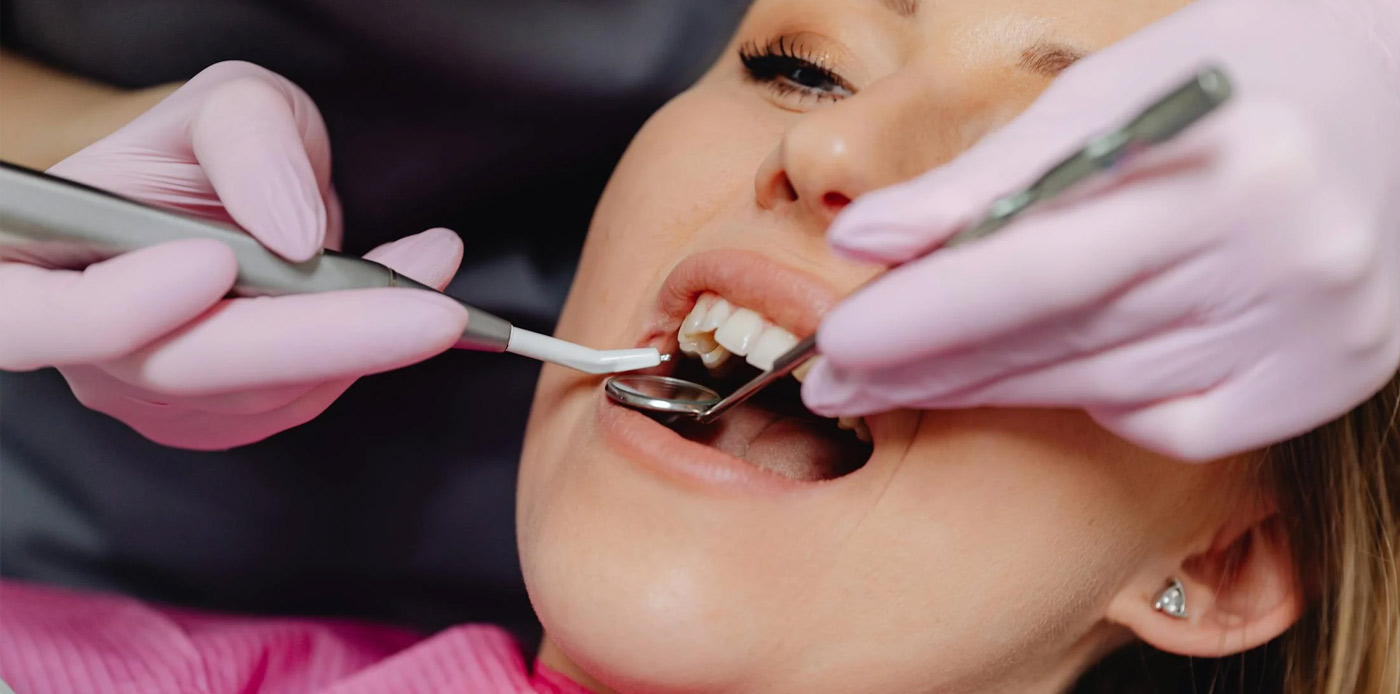
Dental Assistant Programs in Oregon
Dental Assistant Programs in Oregon: Your Complete Career Guide for 2026 and Beyond
Oregon is one of the most rewarding states in the country to build a dental assisting career — and one of the most professionally sophisticated. The Beaver State offers some of the highest dental assistant wages in the nation, a uniquely developed system of expanded function certifications that lets dental assistants take on advanced clinical roles rarely available elsewhere, no state sales tax to stretch your purchasing power, and a Pacific Northwest quality of life that draws healthcare professionals from across the country. Anchored by Oregon Health and Science University’s dental school, a strong community health center network, and a progressive healthcare environment, Oregon makes a genuinely compelling case for anyone looking to enter the dental field in 2026. Here is everything you need to know — and what the years ahead hold for the profession.
Ready to find a program? Use the school search tool on this page to find accredited dental assistant programs near you in Oregon and request your free enrollment information today.
Why Dental Assisting in Oregon Is a Smart Career Move in 2026
Among the Highest Dental Assistant Wages in the Country
Oregon dental assistants earn wages that rank near the top of the national scale, and the data is consistent across sources. Indeed reports $26.42 per hour statewide — one of the highest hourly averages in the nation. DentalPost places the Oregon dental assistant average at $55,960 per year. Talent.com shows certified dental assistants in Oregon averaging $52,192 per year, with experienced workers reaching well above that. ZipRecruiter reports $44,557 statewide with top earners at $56,564. In Portland specifically, Glassdoor shows a dental assistant average with a typical range from $48,906 to $66,158 and top earners reaching $76,031 at the 90th percentile — with the healthcare industry median in Portland reaching $56,321. EHired cites Portland metro wages of $52,000 to $62,000, Bend at $50,000 to $59,000, and Salem at $48,000 to $56,000. These are some of the strongest dental assistant wages in the United States, and they reflect both Oregon’s higher cost of living and the genuine value the state’s dental practices place on credentialed, expanded-function assistants.
The Most Developed Expanded Function System in the Country
This is what truly sets Oregon apart for dental assistant candidates. Oregon has one of the most sophisticated and developed expanded function certification systems in the entire United States — offering dental assistants the opportunity to take on advanced clinical responsibilities that are simply not available to assistants in most other states. Oregon offers multiple distinct expanded function certificates, each administered by the Dental Assisting National Board on behalf of the Oregon Board of Dentistry:
Expanded Function Dental Assistant (EFDA): The core expanded function credential, allowing you to perform advanced procedures including coronal polishing, polishing amalgam restorations, fabricating temporary crowns, and placing temporary restorative material under dentist supervision.
Expanded Function Preventive Dental Assistant (EFPDA): A preventive-focused credential allowing performance of preventive clinical procedures.
Expanded Function Orthodontic Dental Assistant (EFODA): An orthodontic specialty credential allowing duties including removing cement from brackets and bands, re-cementing loose bands, and removing and placing orthodontic wires.
Restorative Functions Certificate: An advanced credential allowing certified assistants to prepare a tooth and place direct alloys or composite restorations — a scope of practice that approaches what is typically reserved for dentists in many other states.
This tiered, specialty-rich system means that in Oregon, dental assisting is not a static role — it is a genuine career ladder with multiple advancement paths, each of which increases your clinical authority and your earning potential. Certified Expanded Functions Dental Assistants are in high demand across the state, and the credential is one of the clearest routes to the top of Oregon’s dental assistant pay scale.
No State Sales Tax — A Real Boost to Your Purchasing Power
Oregon is one of only a handful of states with no state sales tax, and this is a meaningful and often-overlooked financial advantage for dental assistant candidates. Every dollar you earn goes further on everyday purchases — from groceries to clothing to vehicles and beyond — than it would in states that impose sales taxes of 6 to 10 percent. Combined with Oregon’s already-strong dental assistant wages, the absence of sales tax meaningfully improves the real purchasing power of your income, partially offsetting the state’s higher housing costs in markets like Portland and Bend.
Oregon Health and Science University and a Strong Academic Anchor
Oregon’s dental market is anchored by Oregon Health and Science University (OHSU) in Portland — the state’s only dental school and one of the most respected academic health centers in the Pacific Northwest. OHSU is identified by Glassdoor as one of the top-paying dental assistant employers in the Portland market, particularly in the education industry. The presence of OHSU creates academic and clinical employment opportunities, drives the adoption of advanced dental technology and techniques across the regional market, and provides a pipeline of clinical training and professional development that benefits the entire Oregon dental assistant community. For candidates who want to build their careers in a clinically sophisticated environment, OHSU and its affiliated practices represent a genuine professional draw.
Major Employers and a Strong Community Health Network
Oregon’s dental employer landscape is diverse and robust. Kaiser Permanente operates an integrated dental program and is identified by Glassdoor as one of the top-paying dental assistant employers in Portland. Willamette Dental Group — a large Pacific Northwest dental organization headquartered in Oregon — and Timber Dental are also among the top-paying employers in the Portland market. Gentle Dental operates across the state with competitive pay ranges. Beyond private practice and DSO networks, Oregon has a strong community health center presence — including organizations like White Bird Clinic in Eugene — serving diverse and underserved populations, which creates mission-driven employment opportunities for dental assistants who want their work to have direct community impact. This combination of large integrated systems, DSO networks, academic employers, and community health centers gives Oregon dental assistant candidates genuine variety in the kind of practice and patient population they want to serve.
Portland, Bend, Salem, and Eugene — Strong Markets Across the State
Oregon offers strong dental assistant markets across multiple cities. Portland — the largest metro — leads the state in both wages and employer options, anchored by OHSU and a deep concentration of practices and health systems. Bend, in fast-growing Central Oregon, offers wages of $50,000 to $59,000 and is one of the most desirable lifestyle markets in the state. Salem, the state capital, provides steady demand and wages of $48,000 to $56,000. Eugene, home to the University of Oregon, rounds out a set of markets that give candidates real geographic choice. Smaller communities including Shady Cove, Saint Helens, and Warren show ZipRecruiter wages above the statewide average, demonstrating opportunity exists well beyond the major metros.
Pacific Northwest Quality of Life
Oregon’s quality of life is a genuine part of the career equation. For healthcare professionals who value access to mountains, forests, the coast, a vibrant food and culture scene, and an outdoor-recreation lifestyle, Oregon offers something most major healthcare markets cannot. The combination of strong wages, no sales tax, a clinically sophisticated dental environment, and the Pacific Northwest lifestyle makes Oregon one of the most personally satisfying states in the country to build a dental assisting career.
How to Become a Dental Assistant in Oregon — Step by Step
Oregon does not license dental assistants, but it does require certification to take X-rays and to perform expanded functions. Here is the pathway:
Step 1: Complete Dental Assistant Training
While Oregon allows entry-level dental assisting tasks with on-the-job training, completing a CODA-accredited dental assisting program is the key to unlocking Oregon’s valuable expanded function certifications. Accredited programs are available at Portland Community College, Concorde Career College in Portland, Lane Community College in Eugene, and other institutions across the state. PCC’s dental assisting program, for example, prepares graduates for the Radiation Health and Safety exam and makes them eligible for the Oregon EFDA endorsement and DANB CDA certification. CODA-accredited program completion is the most streamlined pathway to all of Oregon’s expanded function credentials.
Step 2: Earn Your Oregon Certificate of Radiologic Proficiency
To take X-rays in Oregon, you must hold an Oregon Certificate of Radiologic Proficiency, which requires completing a Board-approved radiography course and passing the DANB Radiation Health and Safety (RHS) exam. This certificate is also a prerequisite for all of Oregon’s expanded function certifications, making it the essential foundation credential for your career.
Step 3: Pursue Your EFDA Certificate
To perform expanded functions, apply for the Oregon EFDA certificate through DANB. The most direct pathway requires holding your Certificate of Radiologic Proficiency, completing a CODA-accredited dental assisting program, and applying for the certificate. Alternative pathways involve passing the DANB CDA exam (or the DANB Infection Control exam) plus the Oregon Expanded Functions General Dental Assisting exam, along with a dentist endorsement confirming completion of clinical requirements within six months. Note that the Oregon Board of Dentistry discontinued the Oregon Basic (ORB) exam in 2024, so current candidates use the DANB Infection Control exam pathway for Pathway III eligibility.
Step 4: Add Specialty Expanded Function Certificates
Once you hold your EFDA, you can expand your career further by pursuing the EFPDA (preventive functions), EFODA (orthodontic functions), and Restorative Functions certificates — each requiring CODA-accredited training and DANB application. Each specialty credential broadens your clinical role and increases your value and earning potential, allowing you to specialize in the areas of dentistry that interest you most.
Step 5: Consider DANB CDA Certification for National Recognition
The DANB CDA credential is one of the pathways to Oregon’s expanded functions and provides nationally recognized certification that travels well if you ever relocate. Oregon also offers certification by credential for experienced dental assistants from other states who have at least 1,000 hours of recent expanded-function or radiography work experience — making the state accessible to qualified candidates relocating from elsewhere.
The Future of Dental Assisting in Oregon: 2026 Through 2030 and Beyond
Strong, Sustained Demand for Expanded Function Assistants
Oregon’s expanded function system positions the state at the leading edge of how the dental assisting profession is evolving nationally. As the chronic shortage of dental hygienists continues to push practices toward team-based, efficiency-focused care models, Oregon’s EFDAs — who can already perform a broad range of advanced clinical procedures — are increasingly indispensable. Portland Community College and other programs note that Certified Expanded Functions Dental Assistants are in high demand, and that demand is projected to grow steadily through the rest of the decade. For candidates entering the field now, building toward EFDA and specialty certifications positions you at the most valuable and sought-after tier of the profession.
Technology Is Expanding the Role
Studies project a 20 percent increase in demand for dental assistants skilled in digital radiography and AI diagnostic software by 2028. Oregon’s clinically sophisticated practices — anchored by OHSU and large integrated systems like Kaiser Permanente and Willamette Dental — are at the forefront of adopting intraoral scanners, CAD/CAM restoration technology, cone beam CT imaging, and AI-assisted diagnostics. For Oregon’s expanded function assistants, particularly those with restorative function certificates, fluency with digital restoration workflows is becoming an increasingly valuable and well-compensated skill. Technology in Oregon’s advanced practice environment expands the dental assistant’s role rather than diminishing it.
Cosmetic, Restorative, and Specialty Growth
Oregon’s affluent and health-conscious population is driving demand for cosmetic and restorative procedures across the state. The combination of Oregon’s restorative function certification and growing demand for composite restorations, cosmetic procedures, and clear aligner therapy creates genuine opportunity for credentialed assistants to build specialized, high-earning careers. PayScale data shows Portland dental assistants with composite filling skills and oral surgery skills commanding premium hourly rates — a direct reflection of how Oregon’s expanded function system rewards specialized clinical capability.
A Progressive Healthcare Environment
Oregon’s progressive approach to healthcare and its strong community health center network mean the dental assisting profession in the state is well-supported by both policy and infrastructure. As Oregon continues to expand access to dental care for underserved and diverse populations, demand for qualified, mission-driven dental assistants — particularly those with expanded function and preventive credentials — is positioned to grow throughout the coming years.
Dental Assistant Salary in Oregon — Full 2026 Breakdown
Entry-Level Dental Assistant (radiology certified, under 1 year): Approximately $20 to $23 per hour / $42,000 to $47,000 per year Mid-Level EFDA (2 to 5 years with expanded functions): Approximately $24 to $28 per hour / $50,000 to $58,000 per year Experienced EFDA with Specialty Certificates (5 or more years): Approximately $28 to $32 per hour / $58,000 to $66,000+ per year Statewide Average: Approximately $42,409 per year (Salary.com) / $44,557 per year (ZipRecruiter) / $55,960 per year (DentalPost) / $26.42 per hour (Indeed) Portland Metro: Approximately $52,000 to $62,000 per year / typical Glassdoor range $48,906 to $66,158 Portland Top Earners (90th percentile): Up to $76,031 per year Bend (Central Oregon): Approximately $50,000 to $59,000 per year Salem: Approximately $48,000 to $56,000 per year No State Sales Tax: Meaningfully improves real purchasing power versus most states Top Cities for Pay: Portland, Bend, Shady Cove, Saint Helens, Clackamas, Albany
Top employers for dental assistants in Oregon include Oregon Health and Science University, Kaiser Permanente, Willamette Dental Group, Timber Dental, Gentle Dental, community health centers like White Bird Clinic, and a diverse network of private and group practices across Portland, Bend, Salem, Eugene, and beyond. Earning your EFDA and specialty expanded function certificates is the single most important factor in reaching the top of Oregon’s dental assistant pay scale.
Take the Next Step Toward Your Dental Assisting Career in Oregon
Oregon offers dental assistant candidates one of the most professionally rewarding career environments in the country — among the highest wages in the nation, the most developed expanded function certification system anywhere in the United States, no state sales tax to stretch your income further, a clinically sophisticated dental environment anchored by OHSU, and a Pacific Northwest quality of life that is genuinely hard to match. Whether you want to build a broad clinical skill set through the EFDA pathway, specialize in orthodontics or restorative functions, or serve diverse communities through Oregon’s strong community health network, the state gives you the structure, the credentials, and the opportunity to build a career with real depth and real earning power.
If you are ready to explore what is available near you, use the program search tool on this page right now. Find accredited dental assistant programs in Oregon, request your free enrollment information, and take the first step toward a career that is in high demand, financially strong, and built for genuine long-term advancement in 2026 and beyond.
Your dental assisting career in Oregon starts here. Search programs above and request your free information today.
How to Start a Dental Assistant Program in Oregon
To embark on a career in dental assistant programs in Oregon, a high school diploma or GED is typically required. Completing a state-approved training program and obtaining certification, such as the Certified Dental Assistant (CDA) Certification from the National Healthcareer Association (NHA), is also highly beneficial.
The prerequisites to work in the dental assistant field in Oregon include a high school diploma or GED, completion of a state-approved training program, and certification such as the CDA Certification. Essential qualities include good physical stamina, effective communication skills, and a clean criminal background.
Dental assistants in Oregon support dentists in various tasks, including patient care, office administration, and laboratory work. Their responsibilities encompass assisting with procedures, sterilizing instruments, taking X-rays, and educating patients on oral hygiene practices.
Employment opportunities for dental assistants in Oregon abound in dental offices, clinics, hospitals, and other healthcare facilities. These professionals are integral to ensuring seamless dental operations and enhancing patient satisfaction.
The average salary for dental assistants in Oregon ranges from $30,000 to $40,000 per year. However, salaries may vary based on factors such as the employer, location, years of experience, and specific duties. Those working in larger cities or specialized dental practices may command higher salaries compared to those in rural areas or general dental offices.
Concorde Career Colleges - Portland Campus
Address: 1425 NE Irving St.
Portland, OR
Phone: (971) 229-4551
Online: N
Carrington College - Portland Campus
Address: 2004 Lloyd Center, 3rd Floor
Portland , OR
Phone: (503) 207-4092
Online: Blended
Chemeketa Community College
Address: 4000 Lancaster Drive NE
Salem, OR
Phone: 503.399.5058
Online: N
Lane Community College
Address: 4000 East 30th Ave.
Eugene, OR
Phone: (541) 463-5617 OR 541-463-3000
Online: N
Linn-Benton Community College
Address: 6500 Pacific Blvd SW
Albany, OR
Phone: 541-917-4999
Online: N
Portland Community College
Address: 705 N Killingsworth St
Portland, OR
Phone: 971-722-4795
Online: N
Umpqua Community College
Address: 1140 Umpqua College Rd
Roseburg, OR
Phone: 541-440-4600
Online: N
Clackamas Community College
Address: 19600 Molalla Ave
Oregon City, OR
Phone: 503-594-6000
Online: N
Rogue Community College - Grants Pass
Address: 3345 Redwood Hwy
Grants Pass, OR
Phone: 541-956-7370
Online: N
Rouge Community College - Medford
Address: 114 S. Bartlett St.
Medford, OR
Phone: 541-956-7500
Online: N
Southwestern Oregon Community College
Address: 96082 Lone Ranch Pkwy
Brookings, OR
Phone: 541-813-1667
Online: N
Central Oregon Community College
Address: 2600 N.W. College Way
Bend, OR
Phone: 541-383-7420 OR 541-383-7574
Online: N
Practical Dental Assisting School
Address: 1885 NW Kings Blvd
Corvallis, OR
Phone: (541) 760-8259
Online: N
Southern Oregon Dental Assistant Education
Address: P.O. Box 1383
Jacksonville, OR
Phone: (541) 531-4563
Online: N