
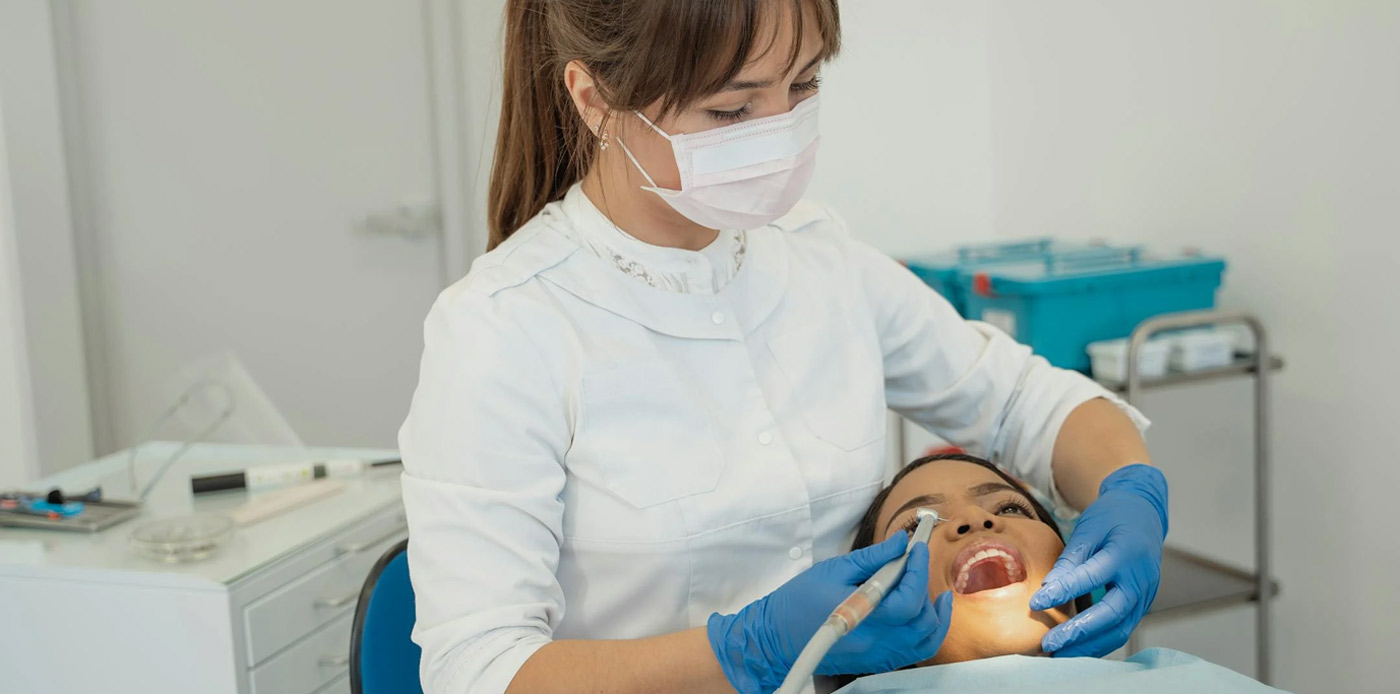
Dental Assistant Program in Oklahoma
Dental Assistant Programs in Oklahoma: Your Complete Career Guide for 2026 and Beyond
Oklahoma is one of the most accessible and opportunity-friendly states in the country to launch a dental assisting career. The Sooner State offers a uniquely fast entry into the field — you can begin working chairside with on-the-job training while you build toward your permit and expanded duty credentials — and it pairs that accessibility with a structured system of expanded duty permits that let you progressively increase your clinical authority and your earning potential over time. Add in a low cost of living that stretches your paycheck further than in most of the country, two strong metropolitan markets in Oklahoma City and Tulsa, and a dental industry actively investing in workforce development through organizations like the Oklahoma Dental Foundation, and Oklahoma makes a genuinely compelling case for anyone looking to enter the dental field in 2026. Here is everything you need to know — and what the years ahead hold.
Ready to find a program? Use the school search tool on this page to find accredited dental assistant programs near you in Oklahoma and request your free enrollment information today.
Why Dental Assisting in Oklahoma Is a Smart Career Move in 2026
One of the Fastest and Most Accessible Entry Points in the Country
Oklahoma’s approach to dental assisting is genuinely one of the most accessible in the United States, and that is a real advantage for candidates who want to enter the workforce quickly. Oklahoma law allows a dentist to delegate duties to dental assistants who have received adequate office-based training — meaning you can begin working chairside and earning a paycheck while you build your skills, then layer on permits and expanded duties over time. All dental assistants must obtain a Dental Assistant Permit from the Oklahoma Board of Dentistry within 30 days of being hired, but the on-the-job training pathway means you do not necessarily need to complete a lengthy program before starting your career. For candidates who learn best by doing — and who want to start earning sooner rather than later — Oklahoma’s model removes one of the biggest barriers to entry that exists in many other states. That said, completing a formal program at an institution like Tulsa Technology Center, Oklahoma State University Institute of Technology, Metro Technology Centers in Oklahoma City, or Dental Depot Academy gives you a significant head start on the permits and credentials that drive higher pay.
A Structured Expanded Duty Permit System That Grows Your Career and Your Income
Oklahoma’s expanded duty permit system is the key to maximizing your earning potential in the state, and understanding it from the start gives you a clear roadmap. The Oklahoma Board of Dentistry issues expanded duty permits in four primary areas, each of which broadens your clinical role and increases your value to employers:
Radiation Safety and Protection Permit: The most common and important first credential. This permit allows you to expose intraoral and extraoral radiographs. It requires completing a Board-approved radiation safety course (a minimum of four to seven hours of instruction depending on the pathway) plus a clinical component that includes taking a minimum number of supervised radiographs. This is the single most universally required expanded duty in Oklahoma — most dental offices expect it — and it is the natural first step for any new dental assistant.
Coronal Polishing and Topical Fluoride Permit: Allows you to polish the coronal surfaces of teeth and apply topical fluoride and desensitizing agents. Requires a Board-approved course of two hours of didactic education plus six hours of clinical training, and at least one year of chairside experience.
Sealants Permit: Allows you to apply pit and fissure sealants. Requires a Board-approved course of a minimum of six hours, including one hour of didactic and five clinical hours of training.
Nitrous Oxide Monitoring Permit: Allows you to monitor and assist in the administration of nitrous oxide. Requires a Board-approved course of a minimum of 12 hours and current BLS certification before beginning the course.
Each permit you earn makes you more valuable and more employable — and Oklahoma employers frequently specify expanded duty permits as preferred or required qualifications in their job postings. The Oklahoma Dental Foundation, Tulsa Technology Center, and other Board-approved providers offer the courses needed to earn these credentials, and many can be completed in one or two-day sessions, making them easy to layer onto your career as you gain experience.
Strong Earning Potential — Especially as a Credentialed Registered Dental Assistant
While Oklahoma’s entry-level wages are modest, the earning trajectory for credentialed and experienced dental assistants is genuinely strong. Glassdoor data for Oklahoma City shows a dental assistant average of $52,263 per year — $25 per hour — with the typical range running from $44,271 to $62,284 and top earners reaching $72,769 at the 90th percentile. For Registered Dental Assistants specifically, the numbers climb significantly: Glassdoor places the Oklahoma City RDA average at $67,113 per year — $32 per hour — with top earners reaching $95,499 at the 90th percentile. Indeed reports $21.17 per hour in Oklahoma City and $19.66 statewide. The Owasso market in the Tulsa metro shows a dental assistant average of $50,708 per year. The clear takeaway is that the path from entry-level dental assistant to credentialed, experienced RDA in Oklahoma carries one of the steeper and more rewarding income trajectories in the region — and the expanded duty permit system is the engine that drives it.
An Exceptionally Low Cost of Living That Maximizes Your Real Income
Oklahoma consistently ranks among the most affordable states in the country, and this is one of its most powerful advantages for dental assistant candidates. Housing in Oklahoma City, Tulsa, Norman, Edmond, Broken Arrow, Lawton, and Oklahoma’s smaller cities is dramatically more affordable than in coastal or mountain West states — and well below the national average. Groceries, utilities, transportation, and everyday expenses are all reasonable. For a dental assistant earning in the $40,000 to $55,000 range — or an RDA earning $60,000 or more — Oklahoma’s low cost of living means your income provides genuine financial comfort and quality of life that a comparable or even higher salary simply would not provide in higher-cost states. When you measure real purchasing power rather than raw wages, Oklahoma’s dental assistant compensation is far more competitive than the headline numbers suggest.
Two Strong Metropolitan Markets — Oklahoma City and Tulsa
Oklahoma’s dental job market is anchored by two solid metropolitan centers. Oklahoma City — the state capital and largest city — offers the deepest concentration of dental employer options and the most competitive wages in the state, with active hiring across general, cosmetic, pediatric, and specialty practices, as well as DSO networks and academic institutions. Tulsa, the state’s second-largest market, offers a robust dental community anchored by Tulsa Technology Center’s well-regarded dental assisting training program, which creates a steady pipeline of credentialed candidates and a strong professional community. Both markets benefit from the presence of major dental groups including Dental Depot, Specialty Dental Brands, and Positive Impact Dental Alliance, alongside a deep network of independent and family practices. Smaller markets including Lawton, Sallisaw, and Choctaw show ZipRecruiter RDA wages above the statewide average, demonstrating that opportunity exists across the state, not just in the major metros.
A Dental Industry Actively Investing in Workforce Development
Oklahoma’s dental community has built genuine infrastructure to support dental assistants entering and advancing in the field. The Oklahoma Dental Foundation is a Board-approved provider for coronal polishing, radiation safety, sealants, and nitrous oxide certification courses, making expanded duty credentials accessible across the state. Tulsa Technology Center offers Board-approved expanded function training. Dental Depot Academy of Dental Assisting in Oklahoma City and Tulsa includes permit fees in its tuition and submits permit requests on students’ behalf — removing administrative friction from the certification process. Learn Today Dental Education brings expanded function courses directly to dental offices. This network of accessible, employer-friendly training and certification infrastructure makes it genuinely straightforward to build your credentials and advance your career in Oklahoma.
A New and Expanding Frontier — Phlebotomy and PRP Procedures
One of the most forward-looking developments in Oklahoma dental assisting is the addition, through recent Board rule updates, of an expanded function permit allowing dental assistants to administer vaccinations or draw blood for platelet-rich plasma (PRP) procedures and other testing under the direct supervision of a dentist. This requires completion of a Board-approved phlebotomy certification program. As regenerative and advanced procedures like PRP become more common in dental and oral surgery practices, Oklahoma dental assistants who hold this credential position themselves at the cutting edge of an expanding clinical frontier — a genuinely distinctive opportunity that few other states currently offer at the dental assistant level.
How to Become a Dental Assistant in Oklahoma — Step by Step
Step 1: Get Hired and Obtain Your Dental Assistant Permit
Oklahoma’s accessible model means you can be hired into a dental office and trained on the job. You must obtain your Dental Assistant Permit from the Oklahoma Board of Dentistry within 30 days of being hired. Alternatively — and often more advantageously — you can complete a formal dental assisting program first, which prepares you for permits and expanded duties and makes you a more competitive hire from day one. Programs are available at Tulsa Technology Center, OSU Institute of Technology, Metro Technology Centers in Oklahoma City, Dental Depot Academy, and other institutions, offering one-year certificates or associate of applied science degrees with hands-on training in radiography, advanced clinical procedures, dental pathology, and dental anatomy.
Step 2: Earn Your Radiation Safety Permit
This is the most important early credential, as most Oklahoma dental offices require it. Complete a Board-approved radiation safety and protection course (four to seven hours depending on pathway) through a provider like the Oklahoma Dental Foundation, pass the certification test, and complete the required number of supervised radiographs. Note that radiation safety cannot be learned through on-the-job training alone — it requires a formal Board-approved course.
Step 3: Gain Chairside Experience
Several expanded duty permits — including coronal polishing, sealants, and nitrous oxide monitoring — require at least one year of chairside experience (with the most recent six months at the same location for some credentials). Use this time to build your clinical skills, establish your reputation, and prepare for advancement.
Step 4: Pursue Expanded Duty Permits to Increase Your Value and Income
Once you have the experience requirement met, pursue additional expanded duty permits in coronal polishing and topical fluoride, sealants, and nitrous oxide monitoring through Board-approved providers like the Oklahoma Dental Foundation and Tulsa Technology Center. Each permit broadens your clinical role and increases your earning potential. Many courses are completed in one or two-day sessions.
Step 5: Consider DANB CDA Certification and Advanced Credentials
While Oklahoma does not require national certification, earning the Certified Dental Assistant (CDA) credential through the Dental Assisting National Board strengthens your professional standing, can streamline some permit applications, and provides nationally recognized credentials that travel well if you ever relocate. For candidates interested in the cutting edge, the phlebotomy/PRP permit and oral surgery assisting credentials represent the most advanced opportunities available to Oklahoma dental assistants.
The Future of Dental Assisting in Oklahoma: 2026 Through 2030 and Beyond
Steady Demand in a Growing Dental Market
The dental assisting field is projected to grow steadily through 2034 in line with national BLS projections of approximately 52,900 openings per year. In Oklahoma, that growth is supported by population increases in the Oklahoma City and Tulsa metros, an aging population requiring more dental care, and the continued expansion of group practices and DSO networks across the state. For candidates entering the field now, the combination of accessible entry, a clear advancement pathway, and steady demand makes dental assisting one of the most reliable healthcare career options in Oklahoma.
Technology Is Expanding the Role
Studies project a 20 percent increase in demand for dental assistants skilled in digital radiography and AI diagnostic software by 2028. Oklahoma’s larger group practices and DSO networks are adopting intraoral scanners, digital radiography systems, and AI-assisted diagnostic tools. Dental assistants who develop proficiency with these technologies — particularly when paired with the radiation safety permit — become more valuable and more competitive in the job market. The hands-on, patient-focused nature of dental assisting ensures that technology expands the role rather than replacing it.
The Expanding Clinical Frontier
Oklahoma’s addition of the phlebotomy/PRP permit signals a broader trend toward expanding the clinical scope of dental assistants in the state. As regenerative dentistry, advanced cosmetic procedures, and oral surgery practices grow, Oklahoma dental assistants who pursue advanced and specialized credentials will find themselves at the forefront of one of the most dynamic areas of the profession. The state’s flexible, permit-based system is well-positioned to accommodate this expanding scope of practice in the years ahead.
Cosmetic and Specialty Dentistry Growth
Growing demand for cosmetic procedures, clear aligners, implants, and specialty care in Oklahoma’s metros is driving demand for dental assistants with specialty experience. Assistants who develop expertise in cosmetic workflows, oral surgery, orthodontics, or pediatric dentistry — and who hold the relevant expanded duty permits — consistently command the higher end of Oklahoma’s wage scale.
Dental Assistant Salary in Oklahoma — Full 2026 Breakdown
Entry-Level Dental Assistant (permit, under 1 year): Approximately $15 to $18 per hour / $31,000 to $38,000 per year Mid-Level with Expanded Duty Permits (2 to 5 years): Approximately $19 to $24 per hour / $40,000 to $50,000 per year Experienced RDA with Multiple Permits (5 or more years): Approximately $24 to $32 per hour / $50,000 to $67,000+ per year Statewide Average: Approximately $38,616 per year (Salary.com) / $19.66 per hour (Indeed) Oklahoma City Average: Approximately $52,263 per year / $25 per hour (Glassdoor) / $21.17 per hour (Indeed) Oklahoma City Top Earners (90th percentile): Up to $72,769 per year Oklahoma City RDA Average: Approximately $67,113 per year / $32 per hour (Glassdoor) Oklahoma City RDA Top Earners (90th percentile): Up to $95,499 per year Tulsa Metro (Owasso) Average: Approximately $50,708 per year Top Cities for RDA Pay: Sallisaw, Lawton, Choctaw, Oklahoma City, Tulsa
Top employers for dental assistants in Oklahoma include Dental Depot, Specialty Dental Brands, Positive Impact Dental Alliance, Aspen Dental, PDG Pediatric Dental Group, Nuvia Dental Implant Center, and a deep network of independent and family practices across Oklahoma City, Tulsa, and beyond. Earning expanded duty permits — particularly radiation safety, coronal polishing, sealants, and nitrous oxide — is the single most important factor in advancing your earning potential in the state.
Take the Next Step Toward Your Dental Assisting Career in Oklahoma
Oklahoma offers dental assistant candidates one of the most accessible and rewarding career environments in the country — a fast on-the-job entry pathway, a clearly structured expanded duty permit system that lets you progressively grow your clinical authority and income, strong earning potential for credentialed RDAs, an exceptionally low cost of living that maximizes your real income, two solid metropolitan markets, and a dental community actively invested in helping you build your credentials. Whether you want to start earning quickly through the on-the-job pathway or build a formal foundation through a training program, Oklahoma gives you the flexibility and the opportunity to create a genuinely rewarding career.
If you are ready to explore what is available near you, use the program search tool on this page right now. Find accredited dental assistant programs in Oklahoma, request your free enrollment information, and take the first step toward a career that is accessible, financially rewarding, and built for long-term growth in 2026 and beyond.
Your dental assisting career in Oklahoma starts here. Search programs above and request your free information today.
How to Start a Dental Assistant Program in Oklahoma
To embark on a career in dental assistant programs in Oklahoma, a high school diploma or GED is typically required. Completing a state-approved training program and obtaining certification, such as the Certified Dental Assistant (CDA) Certification from the National Healthcareer Association (NHA), is also highly beneficial.
The prerequisites to work in the dental assistant field in Oklahoma include a high school diploma or GED, completion of a state-approved training program, and certification such as the CDA Certification. Essential qualities include good physical stamina, effective communication skills, and a clean criminal background.
Dental assistants in Oklahoma support dentists in various tasks, including patient care, office administration, and laboratory work. Their responsibilities encompass assisting with procedures, sterilizing instruments, taking X-rays, and educating patients on oral hygiene practices.
Employment opportunities for dental assistants in Oklahoma abound in dental offices, clinics, hospitals, and other healthcare facilities. These professionals are integral to ensuring seamless dental operations and enhancing patient satisfaction.
The average salary for dental assistants in Oklahoma ranges from $30,000 to $40,000 per year. However, salaries may vary based on factors such as the employer, location, years of experience, and specific duties. Those working in larger cities or specialized dental practices may command higher salaries compared to those in rural areas or general dental offices.
Westside Dental Assistant School
Address: 2915 Westside Drive
Durant, OK
Phone: 580-924-1234
Online: N
Oklahoma State University-Oklahoma City
Address: 900 N. Portland Ave.
Oklahoma City, OK
Phone: 1 405-947-4421
Online: Y
Dental Depot Academy – Oklahoma City
Address: 704 N Villa Ave
Oklahoma City, OK
Phone: (405) 296-6123
Online: N
Rose State College
Address: 6420 S.E. 15th Street
Midwest City, OK
Phone: (405) 736-0263 OR 405-733-7673
Online: N
Custom Dental Assist School
Address: 4425 Grant Blvd
Yukon, OK
Phone: (405) 245-2576
Online: N
Community Career College-Tulsa
Address: 4242 South Sheridan
Tulsa, OK
Phone: 918.610.0027
Online: Hybrid
Healthy Smiles Family Dentistry
Address: 201 N. Lynn Riggs Blvd.
Claremore, OK
Phone: (918) 343-7188 or (918)984-7095
Online: N
Tulsa Technology Center-Tulsa
Address: 6111 E Skelly Dr #100
Tulsa, OK
Phone: (918) 828-5000
Online: N
Western Technology Center - Weatherford Campus
Address: 2605 E. Main
Weatherford, OK
Phone: 580-772-0294 OR (580) 774-0224
Online: N
Oklahoma City Dental Assistant School
Address: 5701 NW. 23rd St.
Oklahoma City, OK
Phone: (405) 349-5269
Online: Hybrid