Dental Assistant Degree FAQ
Frequently Asked Questions About Dental Assistant Degree Programs, Certification, Salary, and Career Paths

Choosing a dental assistant degree program is a major step toward a rewarding healthcare career. Whether you’re exploring online programs, comparing schools, researching certification requirements, or wondering about salary potential, this comprehensive FAQ guide answers the most common questions prospective dental assisting students ask.
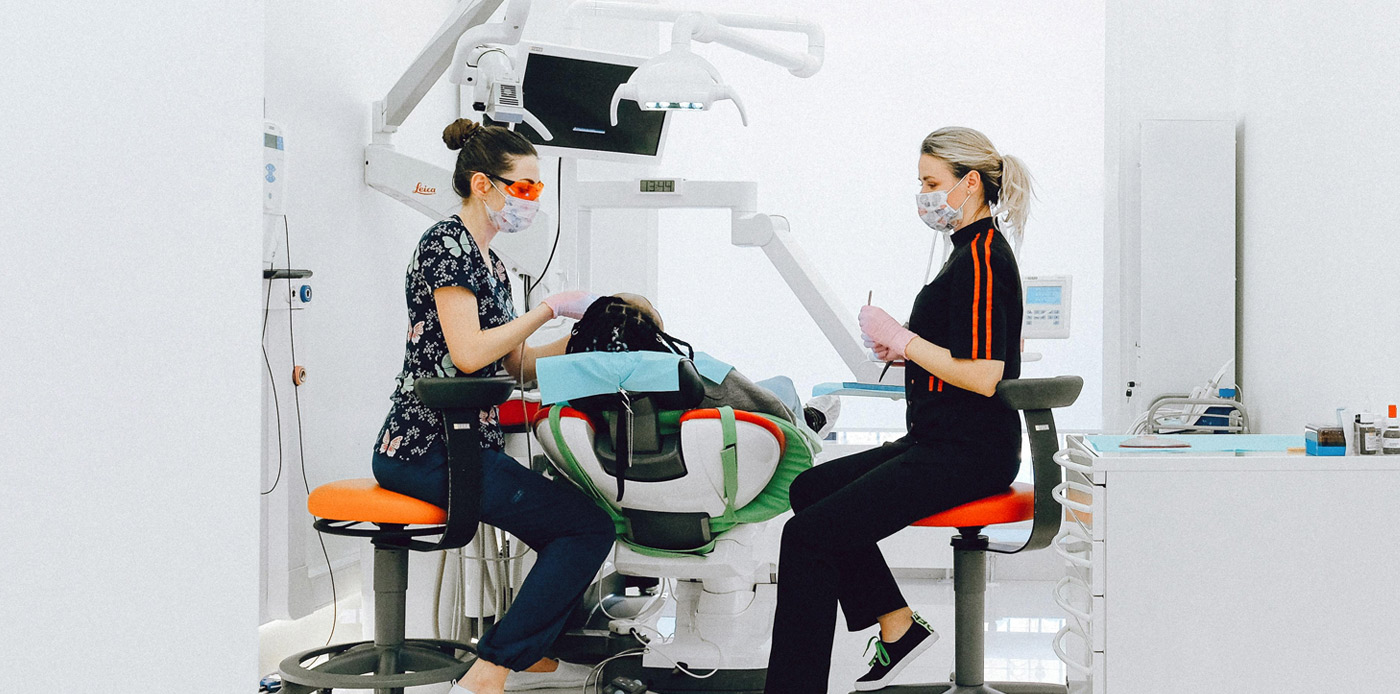
Dental assistants support dentists during procedures, prepare treatment rooms, sterilize instruments, take dental X-rays (where permitted), update patient records, schedule appointments, and help patients feel comfortable throughout their visits. Dental assistants are essential members of the dental healthcare team.
Yes. Dental assisting continues to offer strong job opportunities, competitive wages, flexible schedules, and relatively short training periods compared to many healthcare careers. Demand remains steady as preventive dental care continues to grow.
A dental assistant degree is an educational program that prepares students for entry-level positions in dental offices. Programs typically include classroom instruction, laboratory training, and clinical experience.
Most certificate and diploma programs can be completed in less than one year, while associate degree programs generally take about two years. Many accelerated programs can be completed in 8 to 16 weeks plus clinical training.
Many schools offer online or hybrid programs that allow students to complete coursework remotely. However, most programs still require hands-on clinical training or externships because dental assisting is a practical healthcare profession.
Yes, provided they are properly accredited and meet state requirements. Students should always verify accreditation and licensing eligibility before enrolling.
Students should look for programs recognized by appropriate accrediting organizations and accepted by state dental boards when applicable. Accreditation helps ensure educational quality and may affect certification eligibility.
Requirements vary by state. Some states allow on-the-job training, while others require formal education, certification, or registration. Many employers prefer candidates who have completed a recognized dental assistant program.
Certificate programs focus primarily on job-specific training and can be completed more quickly. Associate degree programs include general education courses and may provide broader career advancement opportunities.
Common courses include:
Program costs vary widely depending on the school and program type. Tuition may range from a few thousand dollars for certificate programs to significantly more for associate degree programs. Financial aid may be available.
Many accredited schools offer federal financial aid, grants, scholarships, and payment plans for eligible students.
Yes. Many colleges, trade schools, professional organizations, and community foundations offer scholarships specifically for healthcare and dental students.
An externship is supervised hands-on training in a dental office that allows students to apply classroom knowledge in a real clinical environment.
Most quality programs include clinical experience because dental assistants must learn practical patient care and chairside procedures.
Common certifications include:
Certification options vary by state and employer requirements.
The Dental Assisting National Board (DANB) administers nationally recognized dental assisting certifications and examinations.
No. Requirements vary significantly by state. Students should review their state dental board regulations before choosing a program.
Many states allow dental assistants to take X-rays after completing approved radiology training and certification requirements.
Many dental assistants earn salaries ranging from approximately $40,000 to $50,000 annually, with higher earnings possible based on experience, certifications, and geographic location.
Many full-time dental assistants receive health insurance, paid time off, retirement plans, continuing education benefits, and professional development opportunities.
Successful dental assistants typically have:
Dental assistants often spend much of the day standing, moving between operatories, preparing equipment, and assisting during procedures.
Yes. Many dental offices offer part-time, full-time, and flexible scheduling options.
Employment opportunities remain strong due to growing demand for preventive dental care and expanded access to oral healthcare services.
Dental assistants may work in:
Yes. Some dental assistants pursue specialized training in orthodontics, oral surgery, pediatric dentistry, or expanded functions.
Expanded Functions Dental Assistants (EFDAs) receive additional training that allows them to perform certain clinical procedures under a dentist’s supervision, depending on state laws.
Absolutely. Many dental assistants advance into management, education, sales, specialty practices, or continue their education to become dental hygienists.
Like any healthcare profession, dental assisting can be fast-paced. However, many professionals find the work rewarding because they help improve patients’ oral health and confidence.
Consider:
Employers generally value graduates from reputable programs that provide strong clinical experience and certification preparation.
Many students work while enrolled, particularly in flexible online or hybrid programs.
Dental assistants commonly use:
Yes. Patient interaction is a major part of the profession, making strong communication skills essential.
Yes. Dental assisting is often considered one of the most accessible entry points into the healthcare field because training programs can be completed relatively quickly.
Yes. Many dental assistants later pursue dental hygiene programs and other advanced healthcare careers.
Dental assistants support dentists during procedures and manage clinical operations, while dental hygienists focus more on preventive care, cleanings, and patient education.
Compare:
For many students, yes. Dental assisting offers a relatively quick path into healthcare, opportunities for professional growth, strong employment prospects, and the chance to make a positive impact on patients’ lives every day.
A dental assistant degree can open the door to a rewarding healthcare career with opportunities for growth, stability, and professional development. As you research schools and programs, focus on accreditation, hands-on training, certification preparation, and career support to find the best fit for your goals.
At DentalAssistantDegree.com, we understand the dynamic and vital role dental assistants play in the healthcare industry. Whether you’re an aspiring dental assistant or a seasoned professional looking to advance your career, we’re here to help you navigate the diverse opportunities available in dental assistant degree programs.
Our Mission
DentalAssistantDegree.com is committed to being the premier online resource for individuals seeking comprehensive information about dental assistant degree programs. Our mission is to connect students, professionals, and enthusiasts with top-notch educational institutions offering specialized degrees in dental assisting. We aim to empower our users to make informed decisions about their education and career paths.
Discover Top Dental Assistant Degree Programs Online and In-Person Extensive School Database
Access our curated database of online and traditional dental assistant degree programs to explore diverse educational options.
User-Friendly Platform
Our intuitive interface simplifies your school search. With just a few clicks, you can explore programs, compare schools, and find the perfect fit for your educational goals.
Detailed School Profiles
Gain valuable insights into each school with our detailed profiles, covering program offerings, faculty credentials, admission requirements, and alumni success stories.
Up-to-Date Information
Stay current with our regularly updated information on schools, programs, and industry trends to keep you well-informed.
Community Support
Join a community of dental assistant enthusiasts to engage in discussions, seek advice, and stay connected with the latest industry news.
Our Commitment At DentalAssistantDegree.com, we’re committed to your success. Whether you’re pursuing an associate degree or a bachelor’s degree, we believe that the right education is crucial for a successful career in dental assisting. Our team is dedicated to providing you with the tools and resources needed to make informed decisions and thrive in your educational journey.
Thank you for choosing DentalAssistantDegree.com as your trusted partner. Explore, learn, and succeed with us!