
Why Dental Assistants Should Master Dental Photography
Dental assisting is so much more than passing instruments or keeping the chairside area organized. Today’s dental practices rely on accurate records, patient education, and digital tools to deliver top-quality care. One of the most valuable skills a dental assistant can add to their toolkit is dental photography. Mastering this skill not only supports the dentist and clinical team but also enhances the patient experience and elevates the overall standard of care.
What Is Dental Photography?
Dental photography involves capturing high-quality images of a patient’s teeth, gums, and overall oral structures using specialized cameras and lighting. These photos can be intraoral (inside the mouth) or extraoral (outside, such as the patient’s smile). They are often taken before, during, and after treatment for documentation, communication, and education purposes.
Why Dental Assistants Should Learn It
1. Better Patient Education
When patients see high-resolution photos of their own teeth, they better understand their treatment needs. Instead of abstract explanations, dental assistants can show patients what’s happening in their mouths. This builds trust and helps patients take ownership of their oral health.
2. Stronger Case Presentation
Dental assistants who know how to take clear, consistent photographs provide dentists with visuals that make treatment recommendations more persuasive. Whether it’s showing the progression of gum disease or highlighting cosmetic options, photography can turn a “maybe later” into a confident “yes.”
3. Accurate Documentation
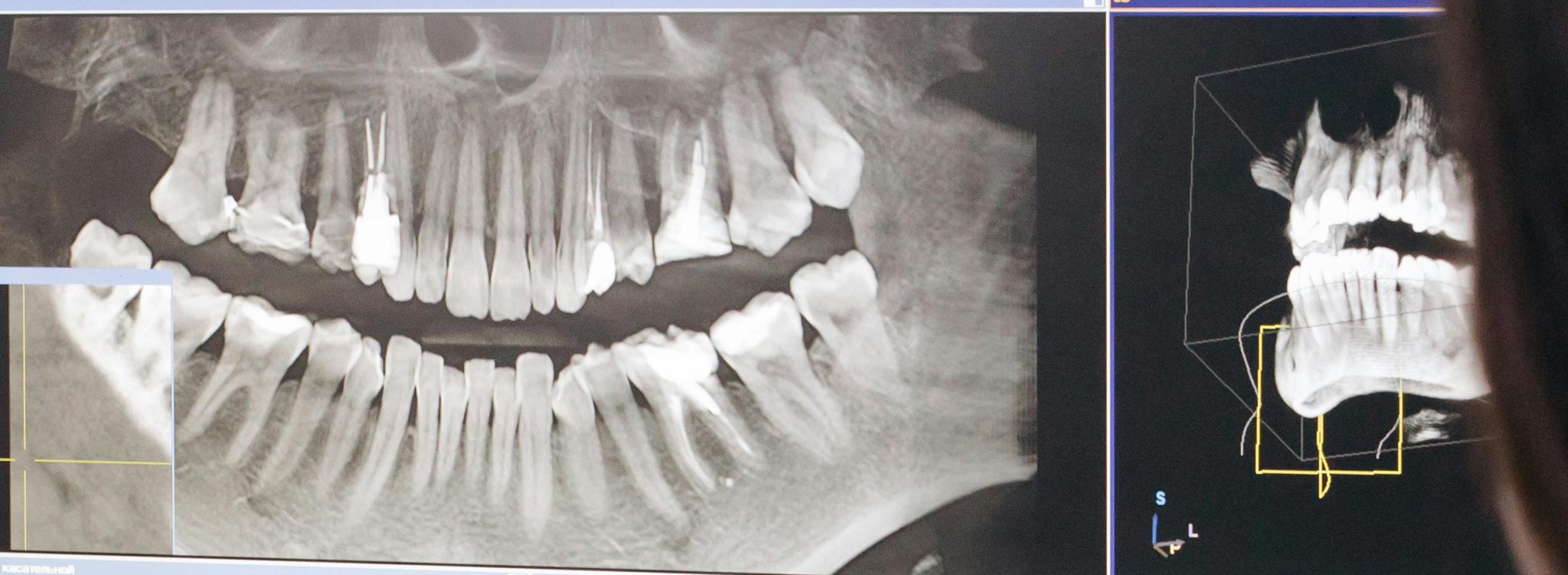
Dentistry is highly documentation-driven. Dental photos supplement X-rays and charts, offering a visual record of the patient’s oral health at a specific moment in time. This helps track progress, monitor changes, and provide valuable records for insurance claims or legal documentation.
4. Improved Lab Communication
When working with dental labs, photos often accompany impressions or digital scans to give technicians more detail about shade, texture, and positioning. A skilled dental assistant can ensure the lab receives everything it needs to create accurate, natural-looking restorations.
5. Professional Growth and Value
Adding dental photography to your skill set sets you apart. Offices are increasingly seeking assistants who are tech-savvy and versatile. By mastering photography, you position yourself as a key team member who contributes to patient care, case acceptance, and practice efficiency.
Tips for Getting Started
-
Learn the equipment: Understand the basics of intraoral cameras, DSLR cameras, and proper lighting.
-
Practice consistency: Take photos from the same angles and distances to make them useful for comparisons over time.
-
Follow infection control protocols: Always use protective barriers and sterilization methods when handling equipment.
-
Seek training: Many dental organizations and continuing education providers offer courses in dental photography.
Dental assistants are the backbone of a successful dental practice, and mastering photography is one way to elevate that role even further. By capturing clear, detailed images, you support the dentist, educate patients, improve documentation, and strengthen lab communication. More importantly, you show your value as a professional who is willing to learn and grow in a field that’s always advancing.
Dental photography isn’t just about pictures—it’s about creating a clearer path to better oral health.

