
From Classroom to Chairside: What You’ll Actually Learn in a Dental Assistant Degree Program in 2026
From Classroom to Chairside: What You’ll Actually Learn in a Dental Assistant Degree Program in 2026
Choosing to pursue a dental assistant degree is one of the fastest ways to begin a career in the healthcare field without spending years in school. But what does a modern dental assistant program actually teach—and how does it prepare you for real-world clinical work?
In 2026, dental assistant education has evolved to include a blend of hands-on clinical training, digital dental technology, patient care techniques, and office administration skills. Today’s programs are designed to help students transition smoothly from the classroom to the dental office.
Let’s take a closer look at what you’ll really learn in a dental assistant degree or certificate program.
Clinical Skills You’ll Use Every Day
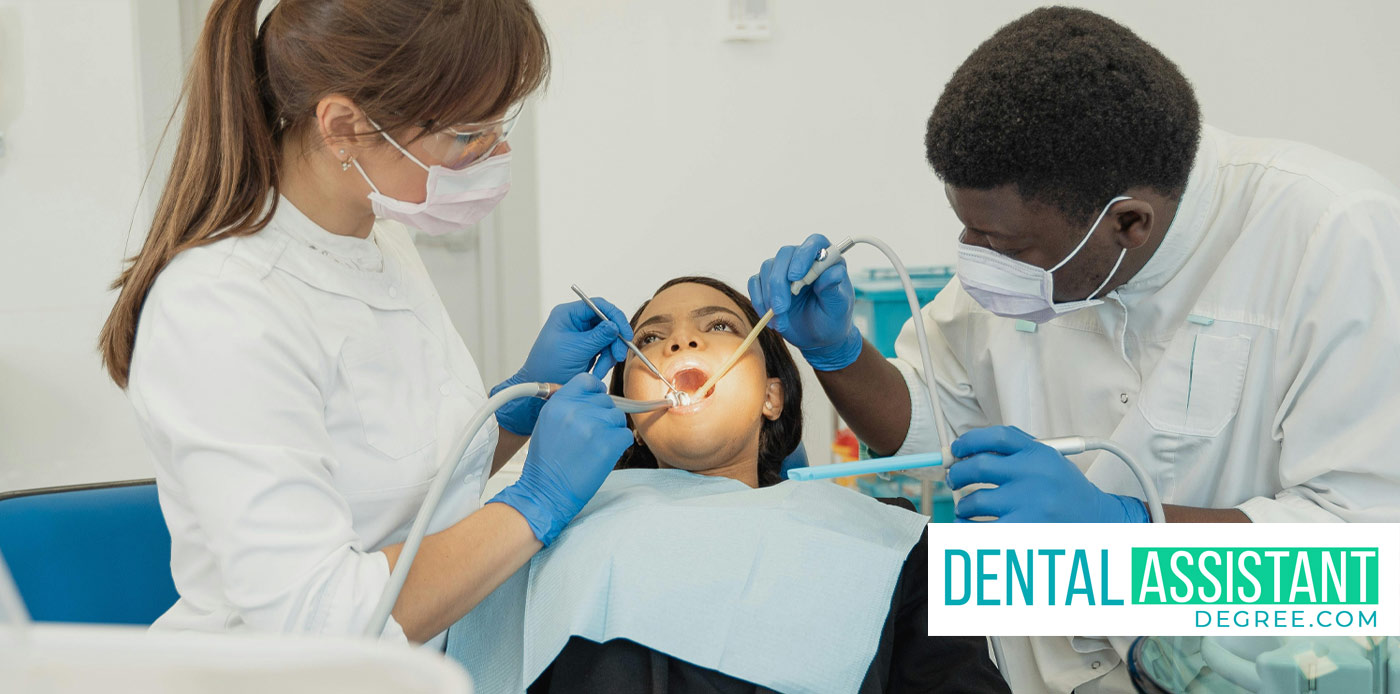
One of the most important parts of any accredited dental assistant program is chairside assisting training.
You’ll learn how to:
Assist dentists during procedures
Pass instruments safely and efficiently
Maintain clear suction and patient comfort
Prepare treatment rooms before procedures
Disinfect and sterilize dental equipment
Support patients during exams and treatments
These hands-on skills are essential to keeping dental appointments running smoothly and safely.
Dental Radiography and Imaging
In many states, dental assistants are allowed to take dental X-rays after completing proper training.
Your dental assistant program may include:
Digital radiography techniques
Radiation safety protocols
Image positioning methods
Processing and evaluating diagnostic images
Radiography certification can make you a more competitive job candidate after graduation.
Infection Control and Safety Procedures
Infection control has become an even greater priority in dental practices.
In 2026 dental assistant programs, students are trained in:
OSHA-compliant sterilization methods
Instrument handling procedures
Personal protective equipment (PPE) use
Cross-contamination prevention
Treatment room sanitation protocols
These safety standards help protect both patients and dental professionals.
Dental Anatomy and Terminology
Understanding how teeth and oral structures function is key to assisting during procedures.
Programs typically include instruction in:
Tooth identification and numbering
Oral anatomy
Common dental procedures
Dental charting systems
Dental materials and instruments
This foundational knowledge supports accurate communication within the dental team.
Dental Office Administration
Many dental assistants split their time between clinical and administrative tasks.
You may also learn how to:
Schedule appointments
Maintain patient records
Handle billing and insurance claims
Manage dental practice software
Communicate with patients
Administrative skills can increase your value to potential employers.
Externships and Real-World Experience
Most dental assistant degree programs include externships or clinical placements in local dental offices.
Externships allow you to:
Practice skills in a real dental setting
Work with experienced dental professionals
Build confidence with patients
Gain job-ready experience
Many students receive job offers through their externship placement.
Preparing for Certification
Graduating from an accredited dental assistant program may qualify you to pursue professional certification.
Depending on your state’s requirements, you may be eligible to take certification exams related to:
Dental assisting
Infection control
Radiography
Chairside assisting
Certification can improve job opportunities and salary potential.
Technology Skills in Modern Dental Offices
Dental practices now rely heavily on digital tools and patient management software.
In 2026 programs, you may gain experience with:
Digital charting systems
Electronic health records
Dental imaging software
Intraoral cameras
CAD/CAM systems (in some programs)
Technology training is becoming increasingly important in dental assisting careers.
Start Building Real-World Skills Today
Dental assistant degree programs are designed to prepare students for real clinical environments—not just pass exams. By combining classroom instruction with hands-on training, today’s programs help graduates enter the workforce with confidence.
If you’re ready to learn practical healthcare skills and begin working in a dental office in less than two years, a dental assistant degree program could be the right path forward.
Explore accredited programs today and start building your future in dental assisting.
